Your First
Lesson
Is Free.
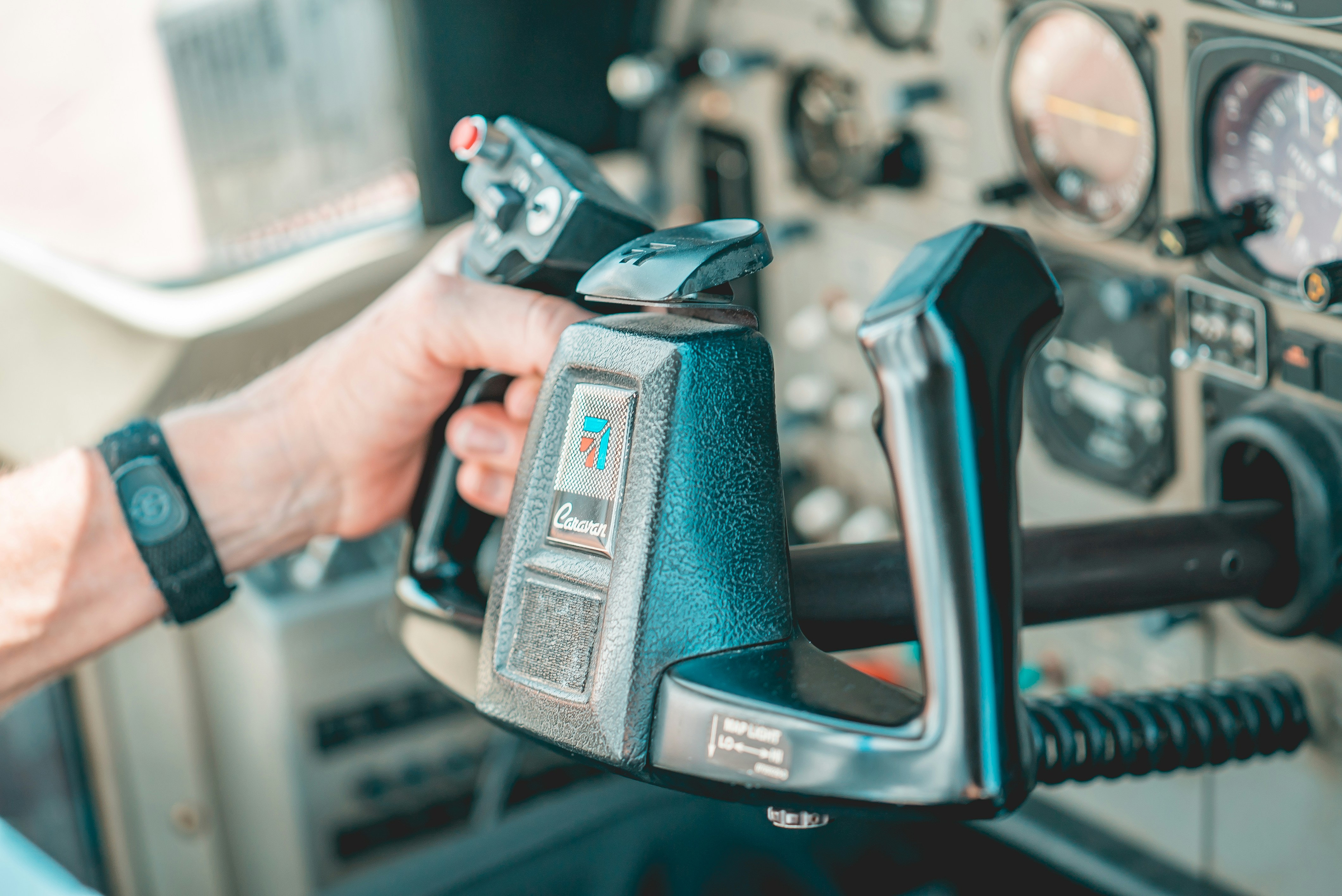
No logbook required. No experience needed. Just 45 minutes in the left seat of a Cessna 172, with the controls actually in your hands.
Avg. Time to Certificate
6–9 months
Min. Flight Hours
40 FAA req.
Pass Rate
91%
Three paths.
One runway.
Groundschool was built for people who've been thinking about flying for longer than they'd like to admit.

You've spent a decade at a desk. The sky has been calling longer.
Our students average 34 years old. Many arrive with equity in a house and zero hours in a logbook. They finish with a certificate that changes everything about Sunday mornings.

The regional hiring wave won't wait. Neither should your logbook.
We map your training to ATP minimums from day one. Every cross-country is logged with intention. Our students know exactly how many hours stand between them and a regional carrier interview.
You already know the V-speeds. Time to feel the actual crosswind.
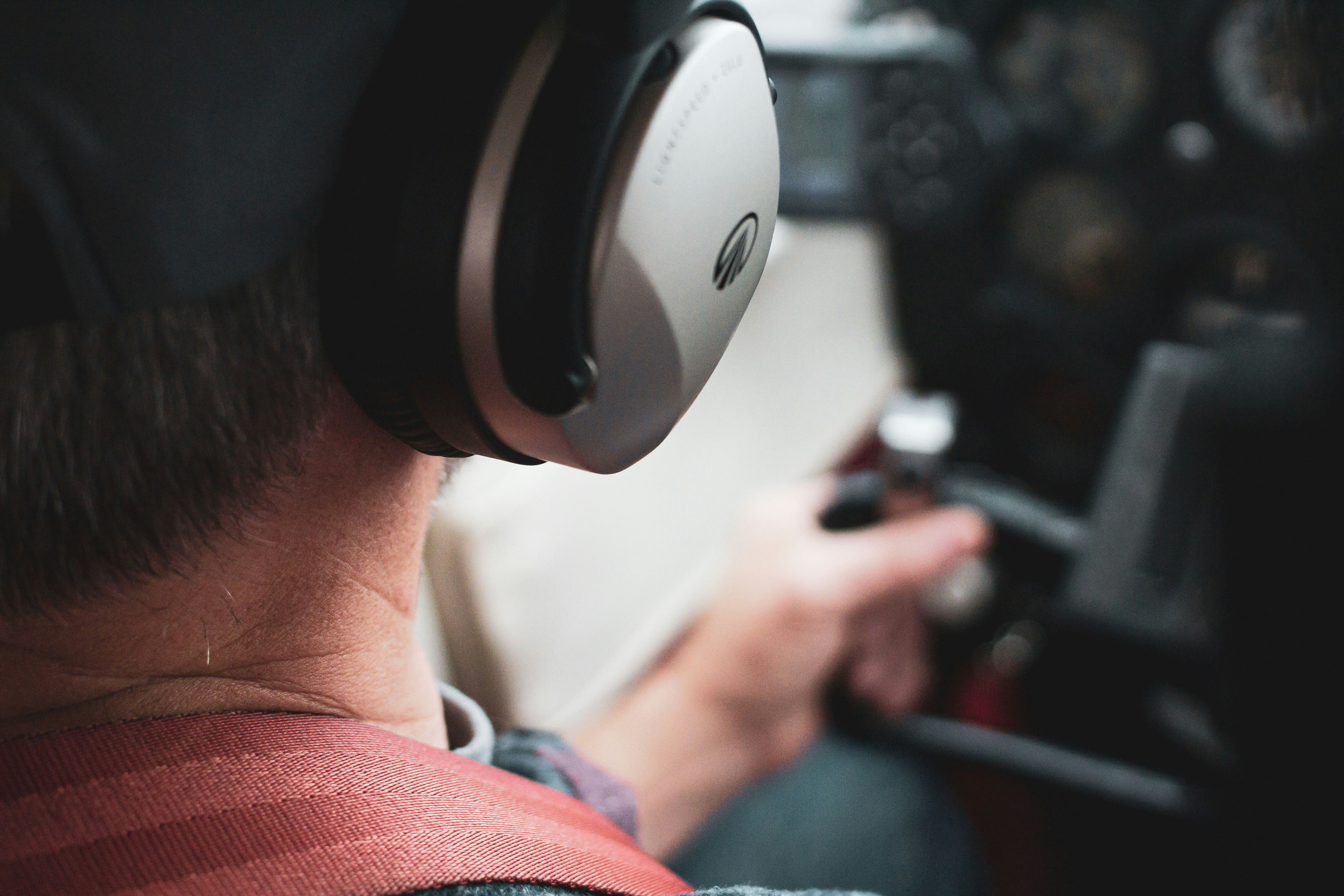
Thousands of hours in MSFS gave you pattern recognition that surprises our CFIs. You know the procedures — we'll give you the muscle memory. Most sim pilots solo faster than average.
Every phase.
Exactly as it happens.
No mystery. No vague timelines. Here's the complete Private Pilot Certificate path — in the order you'll live it.
Phase 1: You'll feel what flying actually is.
One flight. No pressure. Just you, a CFI, and 3,000 feet of Oregon sky.
Your discovery flight is a real lesson, not a sightseeing tour. You'll get a pre-flight briefing, walk around the aircraft yourself, and handle the controls in cruise flight. Most students are surprised by how quiet it is up there.
What you'll learn
- Pre-flight inspection fundamentals
- Basic aircraft control inputs
- Reading the altimeter and airspeed indicator
- What the training path looks like from here
"I almost cancelled three times. I'm so glad I didn't. The instructor handed me the controls over the Willamette Valley and I just — I didn't want to come down."
Marcus Webb, 38
Software engineer → student pilot

Phase 2: You'll understand the rules of the air.
Aerodynamics, weather, airspace, regulations — taught so they actually stick.
Ground school runs alongside your flight training, not before it. When you learn a maneuver in the cockpit, you understand the physics behind it the same week. Our pass rate on the FAA written exam is 94% on the first attempt.
What you'll learn
- Aerodynamics and aircraft systems
- FAA regulations and airspace structure
- Weather interpretation and go/no-go decisions
- Navigation — from pilotage to VOR radials
"I was terrified of the written test. My instructor tied every ground lesson to something I'd already done in the plane. By test day, it felt like reviewing, not studying."
Priya Nair, 27
Pre-med student, ATP track
Phase 3: You'll fly alone for the first time.
The instructor gets out. The airplane gets lighter. Everything changes.
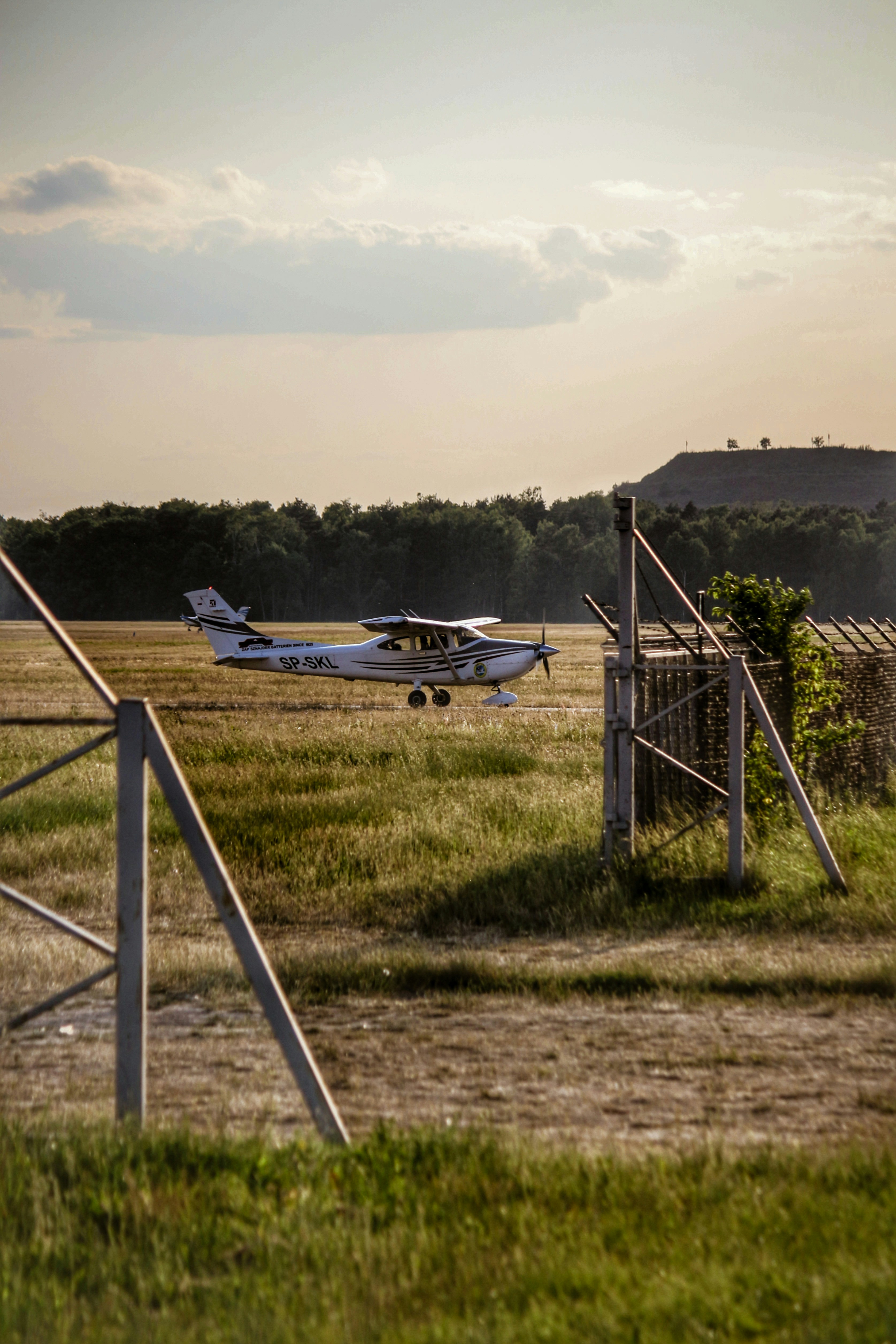
The solo is not a graduation ceremony — it's a logical progression. By the time your CFI steps out, you've already done every part of the pattern dozens of times. The only thing missing is the voice in the right seat. You won't miss it.
What you'll learn
- Takeoffs and landings to FAA standards
- Stall recognition and recovery
- Ground reference maneuvers
- Emergency procedures until they're automatic
"Third landing of my solo, I realized I was grinning so hard my cheeks hurt. I taxied back and just sat there for a minute. The instructor was watching from the fence. He gave me a thumbs up."
James Okafor, 42
Accountant, weekend pilot
Phase 4: You'll navigate to places you've never flown before.
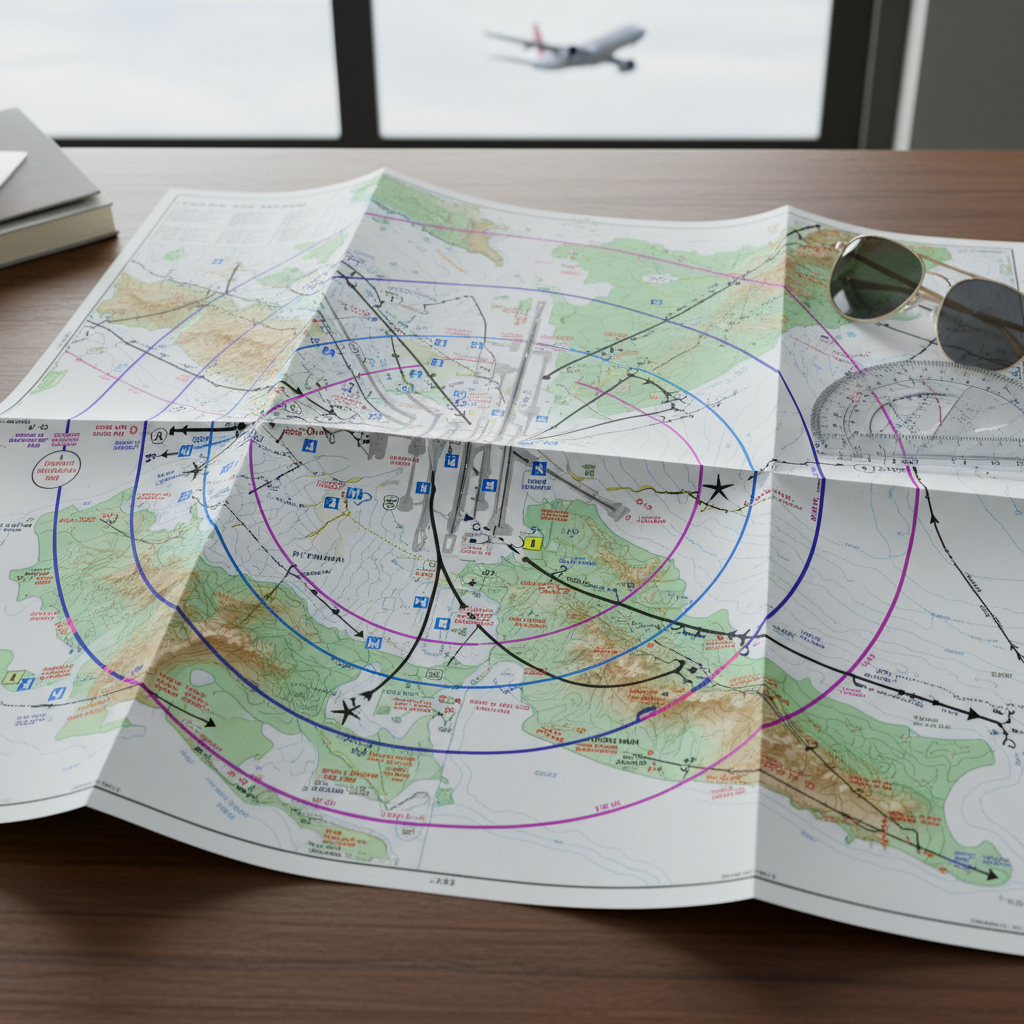
Point A to Point B, entirely on your own, using charts and radios you've learned to trust.
FAA requires 5 hours of solo cross-country time, including one flight of at least 150 nautical miles with full-stop landings at two different airports. We build your routes around weather windows and interesting destinations — flying to Astoria or Bend beats flying to an empty runway.
What you'll learn
- Flight planning with weight & balance calculations
- VOR and GPS navigation in real conditions
- Communicating with approach and departure control
- Diversion planning when weather doesn't cooperate
"I flew from Hillsboro to Redmond alone. 140 miles. I made every radio call, hit every waypoint, and landed on a runway I'd never seen. I called my mom from the FBO."
Elena Vasquez, 31
Nurse, career-change pilot
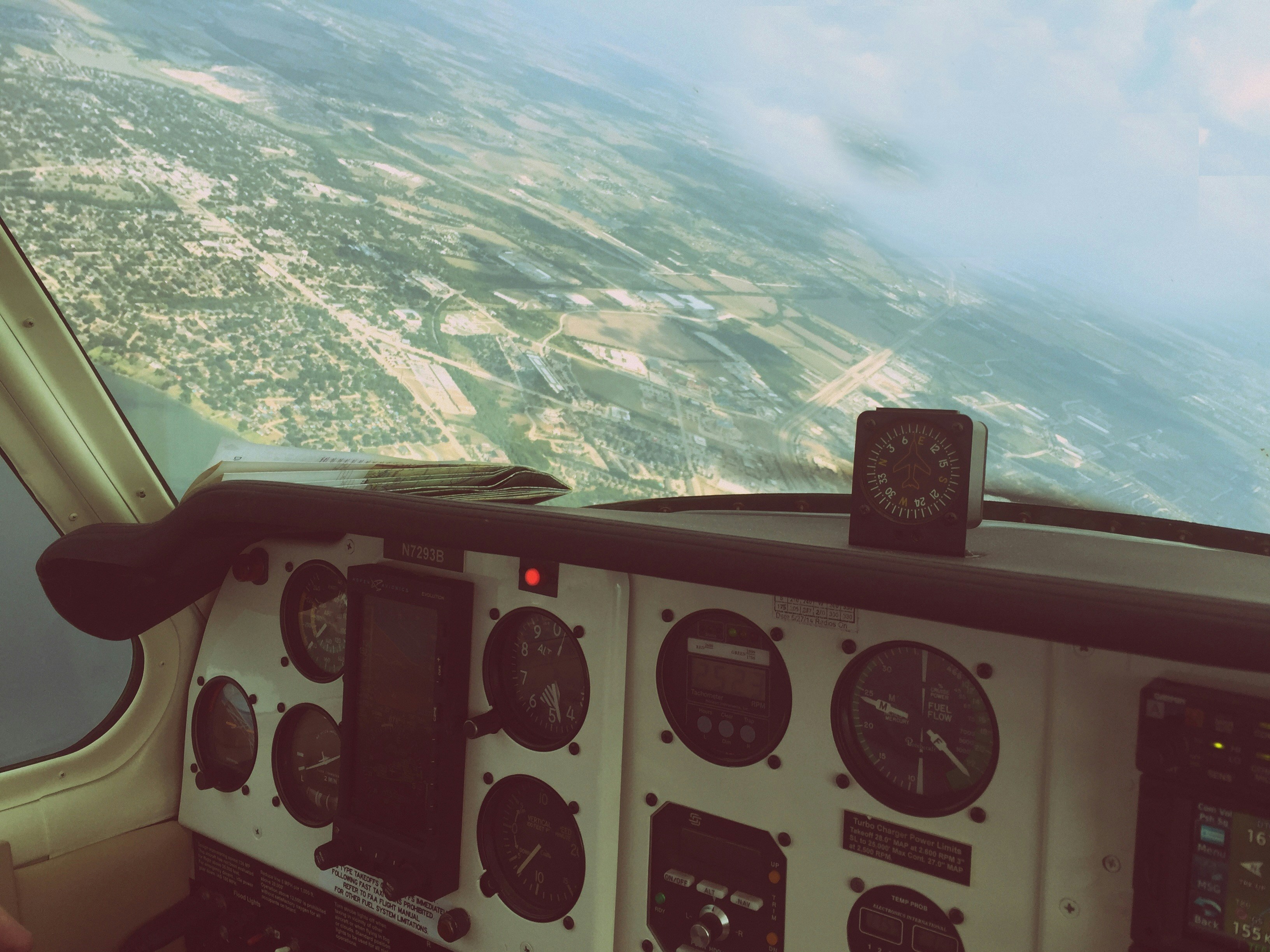
Phase 5: You'll hold a certificate with your name on it.
One oral exam, one flight test, and you're a certificated private pilot. Forever.
The checkride is not a trick. It's a structured evaluation of everything you've already proven you can do. We run a full mock checkride two weeks before your actual test. When you sit down with the DPE, it feels like a second rehearsal.
What you'll learn
- Oral exam preparation — ACS standards, not memorization
- Maneuver polishing to practical test standards
- Simulated emergency scenarios
- Post-certificate: what comes next (instrument, commercial, CFI)
"The DPE shook my hand and said 'Welcome to the pilot community.' I had to look at the certificate twice to make sure my name was actually on it. It was."
David Kim, 35
UX designer, new private pilot

Two ways to begin.
Both are free.
Book the discovery flight if you're ready to feel it. Download the study plan if you want to prepare first. There's no wrong choice.
Book Your Free Discovery Flight
No logbook required · 45 minutes
The 30-Day Pre-Ground School Study Plan
Not ready to book a flight yet? Start here. This PDF maps out exactly what to study in the month before your first ground school lesson — so you walk in already thinking like a pilot.
- Day-by-day reading schedule
- The 10 concepts CFIs test first
- Free resources — no textbooks required
- A glossary of 60 essential aviation terms
The instructor's seat is empty.
It's waiting for you.
Hillsboro Airport (HIO) · Portland, Oregon · Open 7 days